
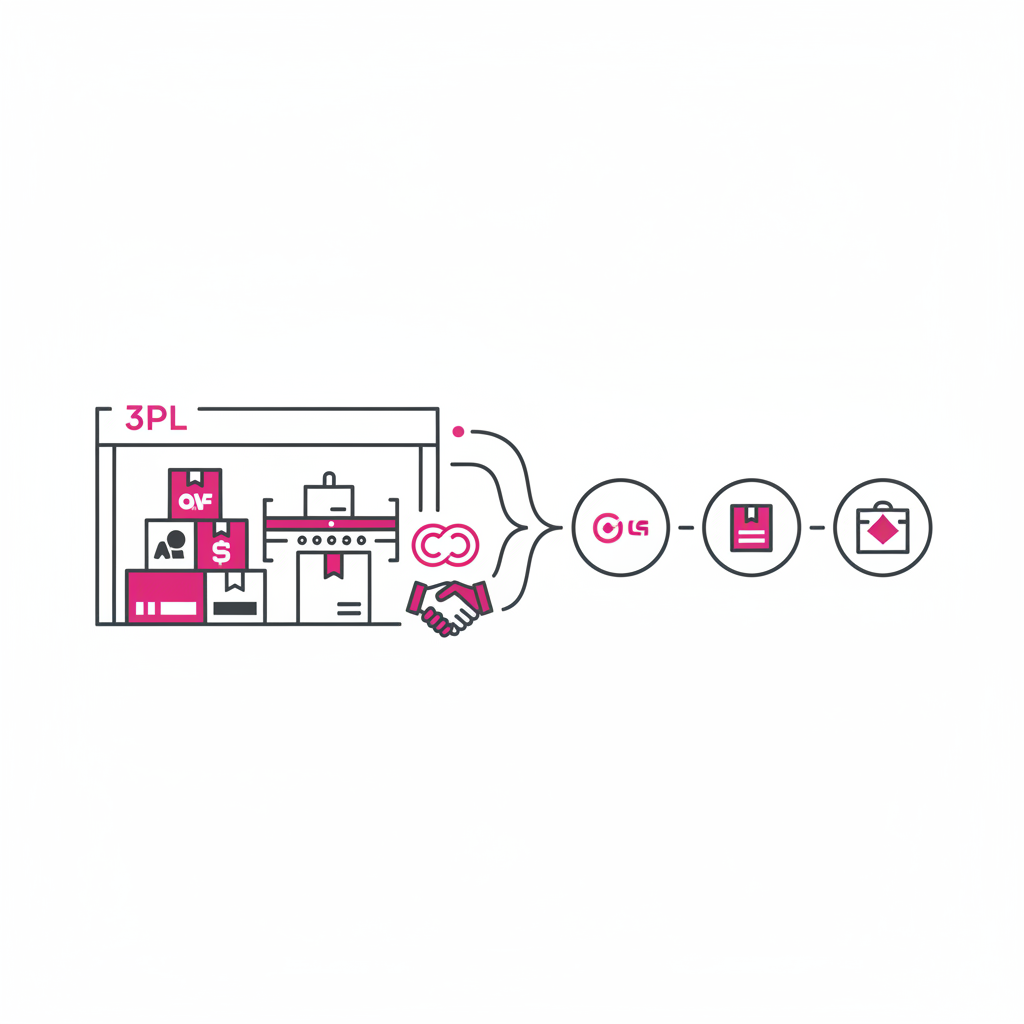
Third-party logistics providers compete primarily on service reliability, technology, and price. In a market where most 3PLs offer equivalent transportation networks and similar warehouse technology stacks, verified dimensioning has emerged as a differentiator that directly affects both operational performance and client retention.
The reason is straightforward: clients trust 3PLs that give them data. When a 3PL can provide a client with a timestamped measurement record for every shipment that moved through their facility, the client has proof that billing is accurate, disputes are documented, and inventory data is reliable. When a 3PL cannot provide this, the client is taking the 3PL's word for dimensions, weights, and freight charges. In a relationship governed by service level agreements and monthly billing reconciliation, that uncertainty erodes trust.
Freight billing disputes between 3PLs and their clients are common. The most frequent points of contention are:
A 3PL with verified dimensioning at the dock can resolve each of these disputes by producing the measurement record: here is the scan record, here are the dimensions captured at 14:32 on March 3, here is the barcode linking this measurement to your shipment order number. This capability eliminates the ambiguity that drives disputes and the administrative cost of resolving them.
Beyond client trust, dimensioning improves the 3PL's own financial position:
When a 3PL tenders LTL shipments on behalf of clients, inaccurate declared dimensions result in carrier-issued freight bill adjustments. These adjustments are either absorbed by the 3PL (reducing margin) or passed to the client (generating disputes). Verified dimensioning at the dock eliminates the measurement error that causes most adjustments.
Accurate pallet dimensions enable better putaway slotting. When the WMS knows the actual height and footprint of every pallet, it can recommend storage slots that minimize wasted vertical space. For 3PLs billing clients on pallet position occupancy, this translates directly to more efficient use of rack space and higher revenue per square foot.
Some 3PLs offer verified dimensioning as a fee-based value-added service: for a per-shipment charge, they provide clients with a certified dimension record suitable for LTL tender, customs documentation, or carrier compliance. This service, built on the same dimensioning infrastructure the 3PL already operates, generates incremental revenue at near-zero marginal cost.
3PLs that integrate dimensioning data into client-facing reporting dashboards create visibility that differentiates their service offering. Reporting capabilities enabled by dimensioning data include:
These reports are generated from the dimensioning system's data archive and require no manual compilation. Clients who receive this level of visibility are less likely to question billing accuracy and more likely to renew the 3PL relationship.
For a 3PL implementing dimensioning across multiple client operations:
This depends on the competitive positioning. Some 3PLs include dimensioning as part of their standard service (a competitive differentiator), while others offer it as a fee-based add-on for clients who need certified measurement records. The fee model works best when the client has a specific compliance or dispute resolution need that justifies the charge.
The 3PL presents the timestamped measurement record from the dock dimensioner as evidence that the declared dimensions were correct at the time of tender. If the carrier's measurement differs significantly from the dock measurement, this may indicate measurement error at the carrier terminal, and the 3PL can formally dispute the freight bill adjustment with supporting documentation.
If client-delivered freight bypasses the 3PL's standard receiving process, it may not pass through the dimensioner. Most 3PLs establish a policy that all inbound freight must pass through the receiving lane where the dimensioner is installed, or that the client accepts liability for dimension-related billing adjustments on freight that bypassed the measurement step.
_vector.svg)